Devoir Au Passé Composé De L'indicatif
Salut les amis! Ready to spice up your French a little? Today, we're diving into a grammatical structure that might seem intimidating at first, but I promise, it's easier than perfecting a soufflé: Devoir au Passé Composé de l'Indicatif.
What's "Devoir" Anyway?
Devoir, in its simplest form, means "to have to" or "to must." Think of it as the French equivalent of having that nagging to-do list constantly running in your head. It expresses obligation, necessity, or even a probability. It’s the verb you use when you must buy that croissant from your favorite boulangerie – not just want to!
Passé Composé 101: A Quick Refresher
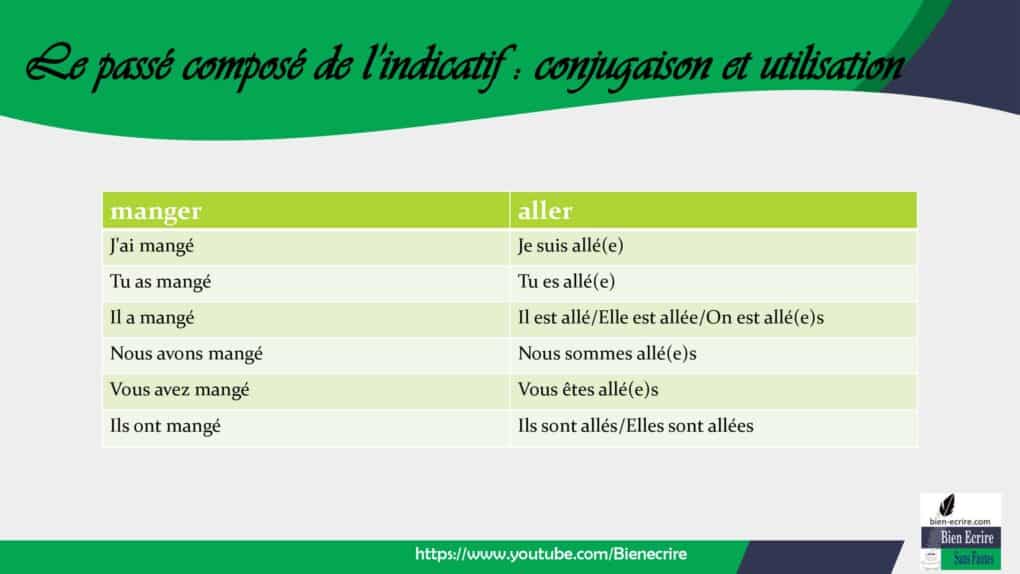
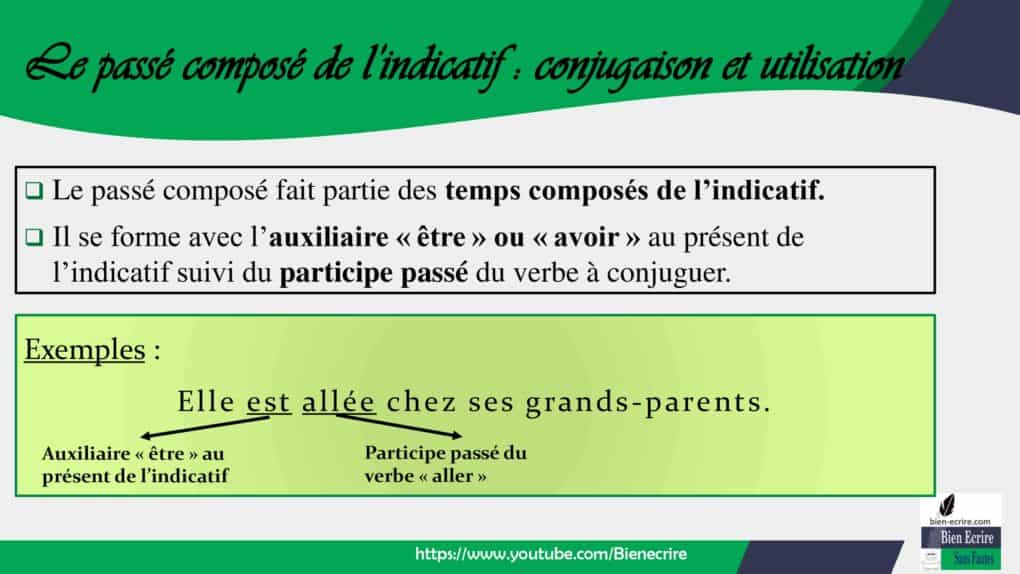
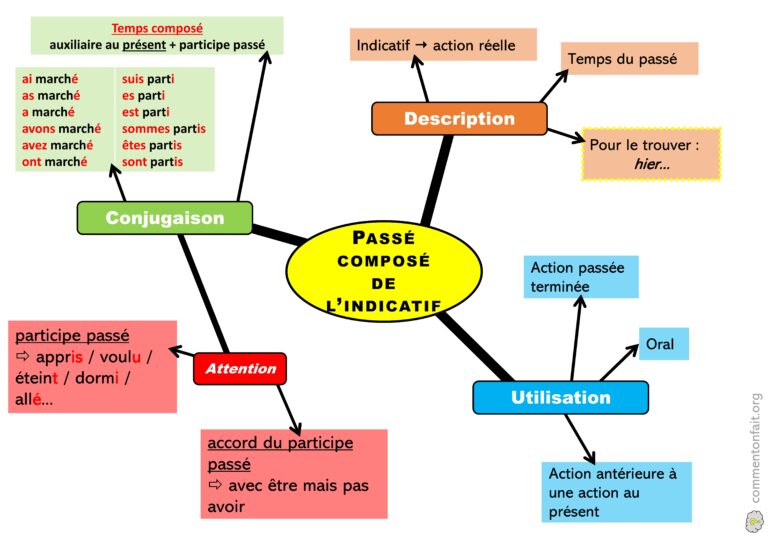
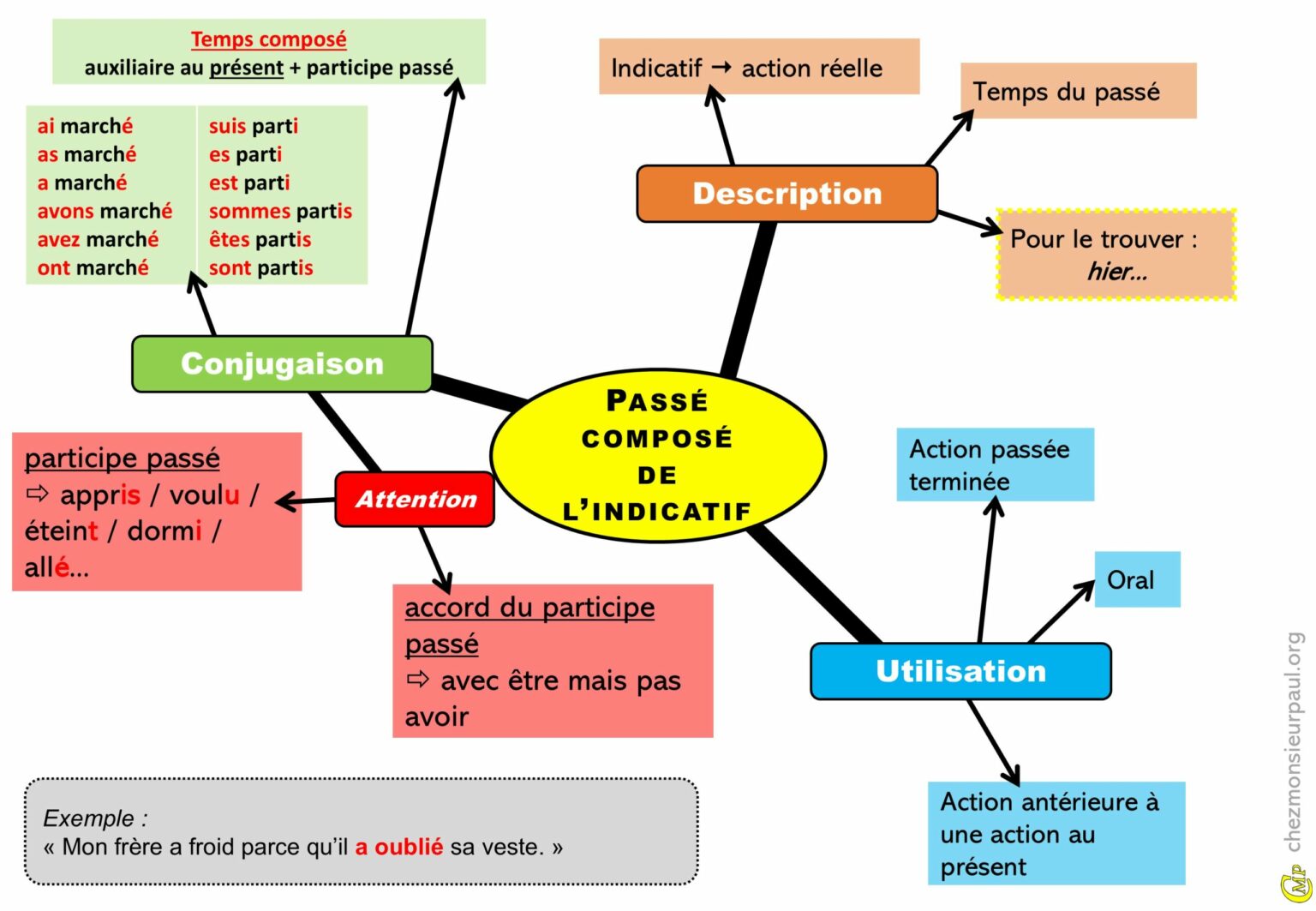
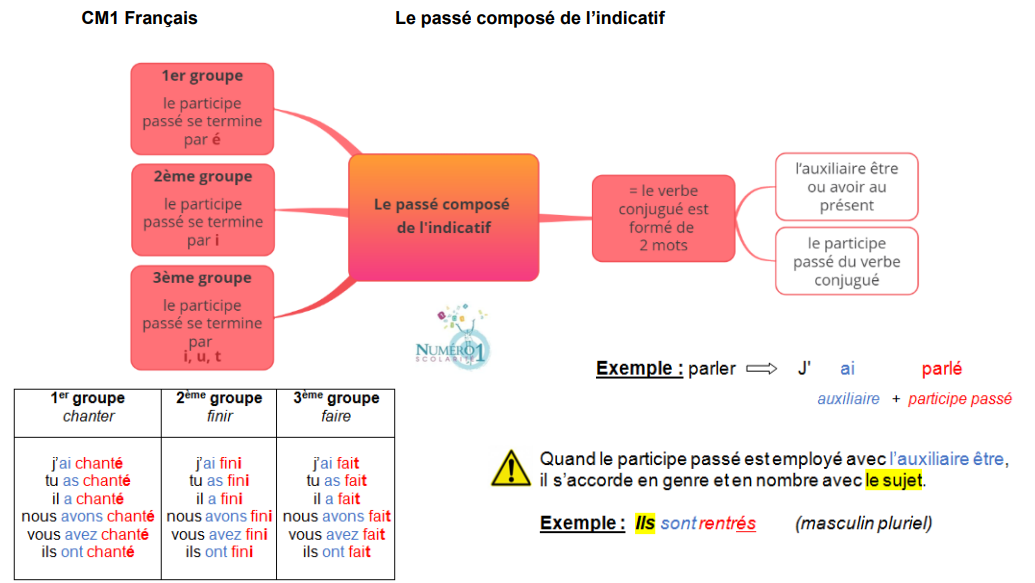
The Passé Composé is the most common past tense in French. It’s used to talk about actions that have been completed in the past. You build it using an auxiliary verb (either avoir or être) and the past participle of the main verb. Think of it as recounting your weekend adventures – "I ate a lot of cheese" becomes "J'ai mangé beaucoup de fromage".
Must Read
Devoir in the Passé Composé: "Had To" or "Must Have"
Now, let’s bring these two concepts together! Devoir in the Passé Composé is conjugated with the auxiliary verb avoir. It generally translates to "had to" or "must have" in English. It indicates that someone was obligated to do something in the past, or it expresses a deduction about something that likely happened.
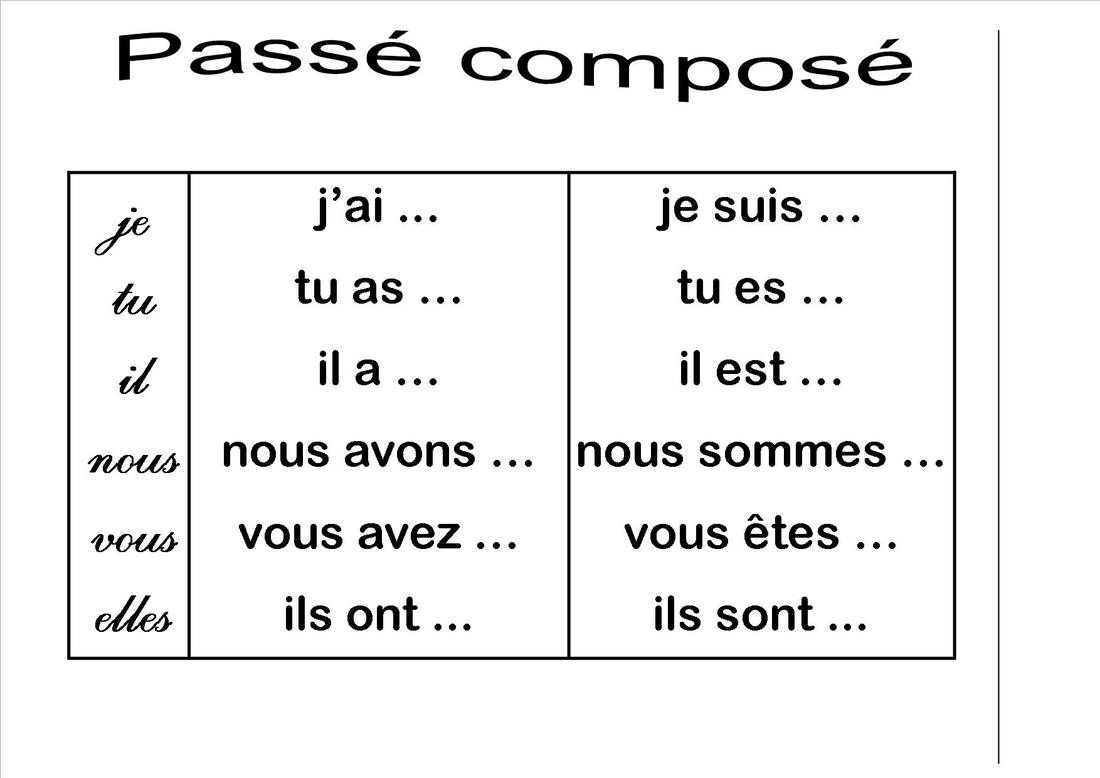
Here's the breakdown:
- J'ai dû - I had to / I must have
- Tu as dû - You had to / You must have
- Il/Elle/On a dû - He/She/One had to / He/She/One must have
- Nous avons dû - We had to / We must have
- Vous avez dû - You had to / You must have
- Ils/Elles ont dû - They had to / They must have
So, "J'ai dû étudier pour l'examen" means "I had to study for the exam," or "Il a dû pleuvoir hier" translates to "It must have rained yesterday." See? Not so scary!
Devoir: Obligation vs. Deduction
It's important to remember the two main meanings of Devoir in the Passé Composé:
- Obligation: Expressing that someone was obligated to do something. Example: "Nous avons dû annuler la fête à cause de la pluie" (We had to cancel the party because of the rain).
- Deduction: Expressing a high probability or assumption about something. Example: "Il n'est pas là. Il a dû être en retard" (He's not here. He must have been late). Think Sherlock Holmes speaking French!
Practical Tips and Examples:
- Negation: To make it negative, place "ne...pas" around the auxiliary verb. "Je n'ai pas dû aller au travail" (I didn't have to go to work). Lucky you!
- Reflexive Verbs: When Devoir is followed by a reflexive verb, the reflexive pronoun comes before devoir. Example: "Elle a dû se lever tôt" (She had to get up early).
- Common Phrases: Get familiar with useful phrases like "J'ai dû faire la queue pendant une heure!" (I had to wait in line for an hour!). Perfect for complaining about your Parisian shopping experiences.
Cultural Connection:
Understanding Devoir helps you understand French culture's emphasis on duty and social expectations. Think of classic French literature, like "Les Misérables" by Victor Hugo, where characters constantly grapple with their moral obligations – their devoirs. It’s not just grammar; it’s a lens into a culture.
Fun Fact:
Did you know that the word "duty" in English comes from the French word "devoir"? It's all connected! Language is history!
Wrapping It Up:
So, there you have it! Devoir au Passé Composé de l'Indicatif, demystified. It’s all about understanding the core meaning of devoir and combining it with the ever-useful Passé Composé. Practice using it in your conversations, and you'll be well on your way to mastering this essential French grammatical point. Don’t be afraid to make mistakes; even the French do!
The ability to express past obligations and deductions is key in daily life. Whether you’re explaining why you missed a meeting ("J'ai dû aller chercher mon enfant à l'école") or speculating about a friend’s absence ("Il a dû oublier notre rendez-vous"), Devoir au Passé Composé helps you navigate everyday interactions with confidence and a touch of French flair.