Verbe Boire La Passe Compose

Salut tout le monde ! Ever feel like French grammar is like a mysterious puzzle box? Well, today we’re cracking open one little corner of that box: the passé composé of the verb boire (to drink). Sounds intimidating? Nah! Think of it as unlocking a cool new level in your French-speaking skills.
Why boire, you ask? Well, besides being essential for ordering that un café or un verre de vin, it's a perfect verb to illustrate how the passé composé works. Ready to take a sip of knowledge?
What is the Passé Composé Anyway?
Okay, before we dive into boire specifically, let’s quickly recap the passé composé. Think of it as the French version of the simple past tense in English (like "I drank," "He drank," etc.). It’s used to talk about actions that are completed in the past. Finished. Done. Fini!
Must Read
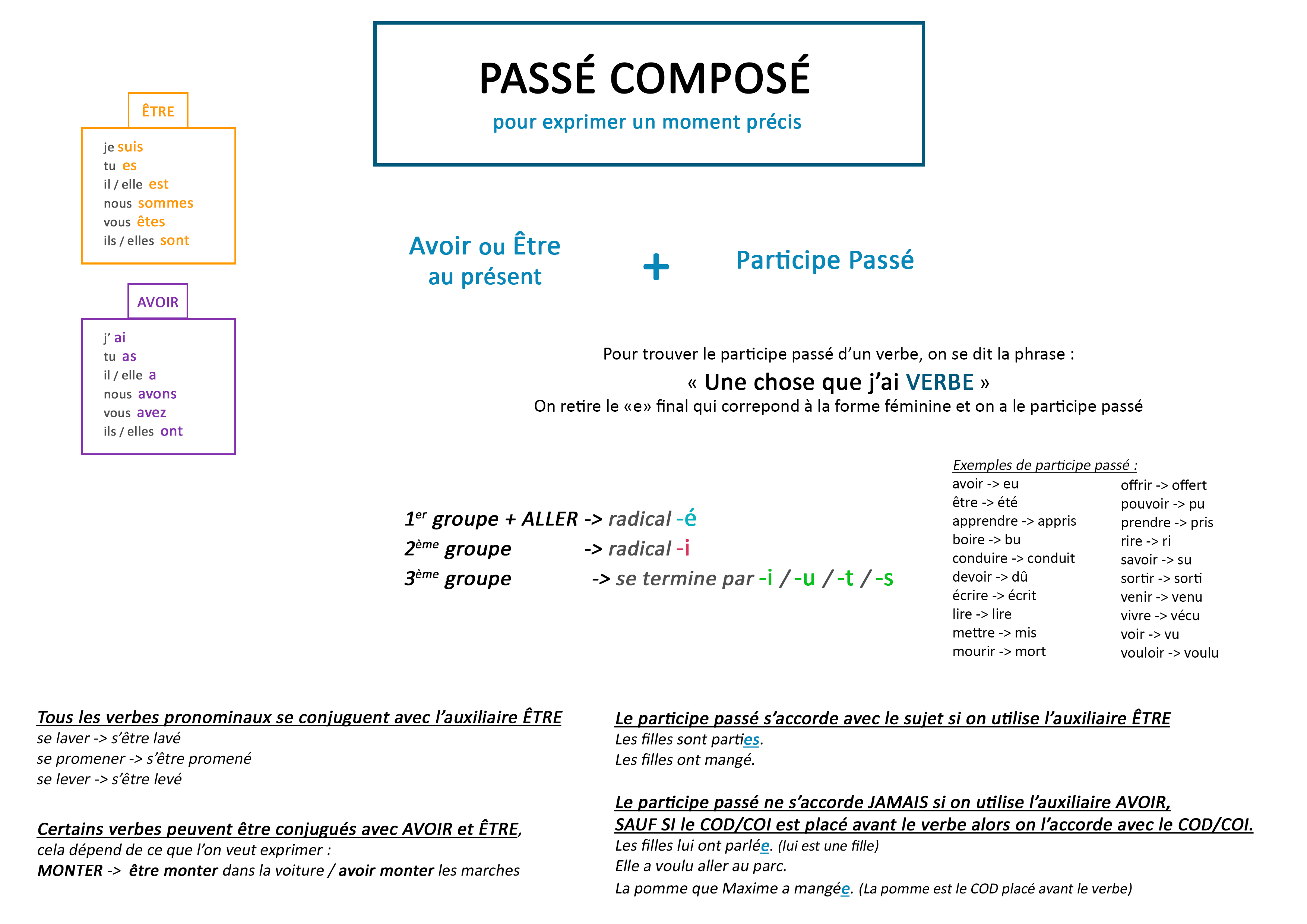
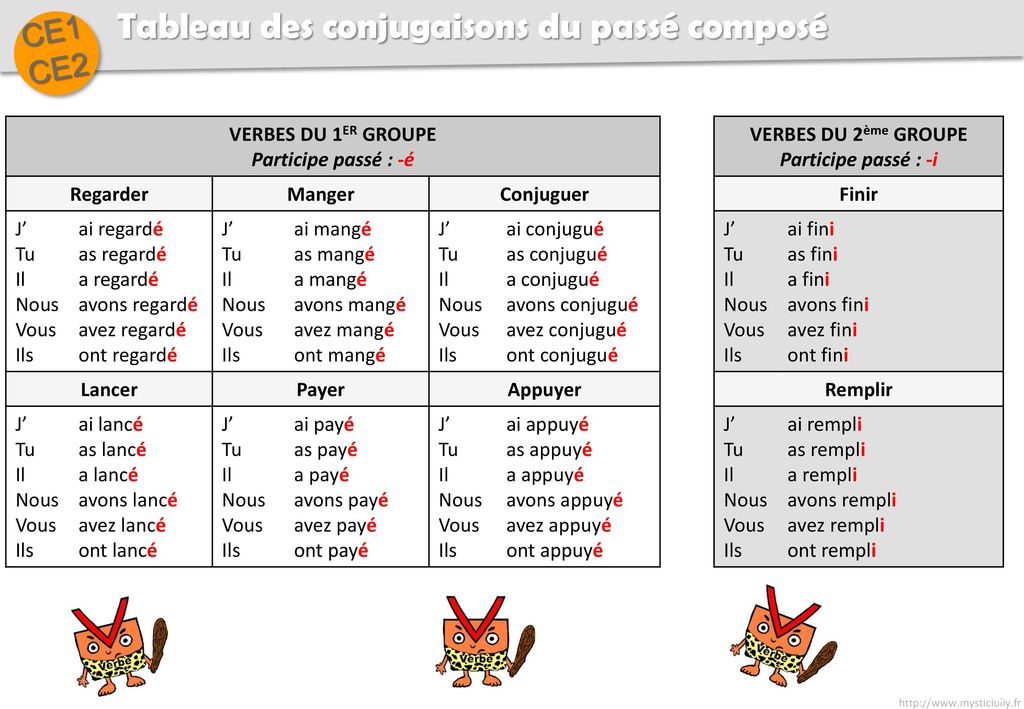
It’s formed with two parts:
- A helping verb: either avoir (to have) or être (to be).
- The past participle of the main verb.
It's like building a Lego structure. You need the base (the helping verb) and the special piece (the past participle) to create the final structure (the past action). Make sense?
Boire: The Star of the Show!
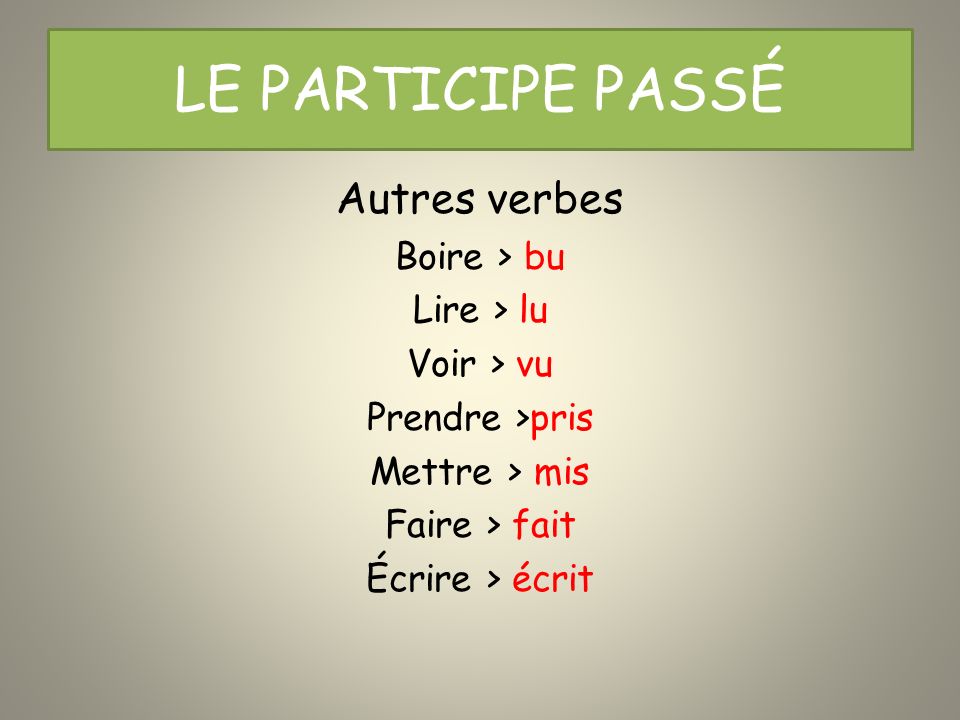
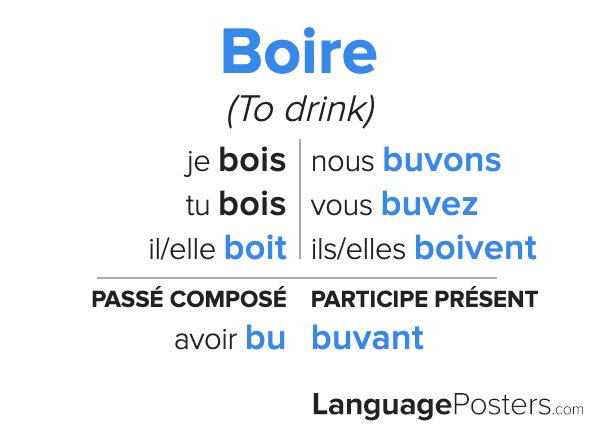
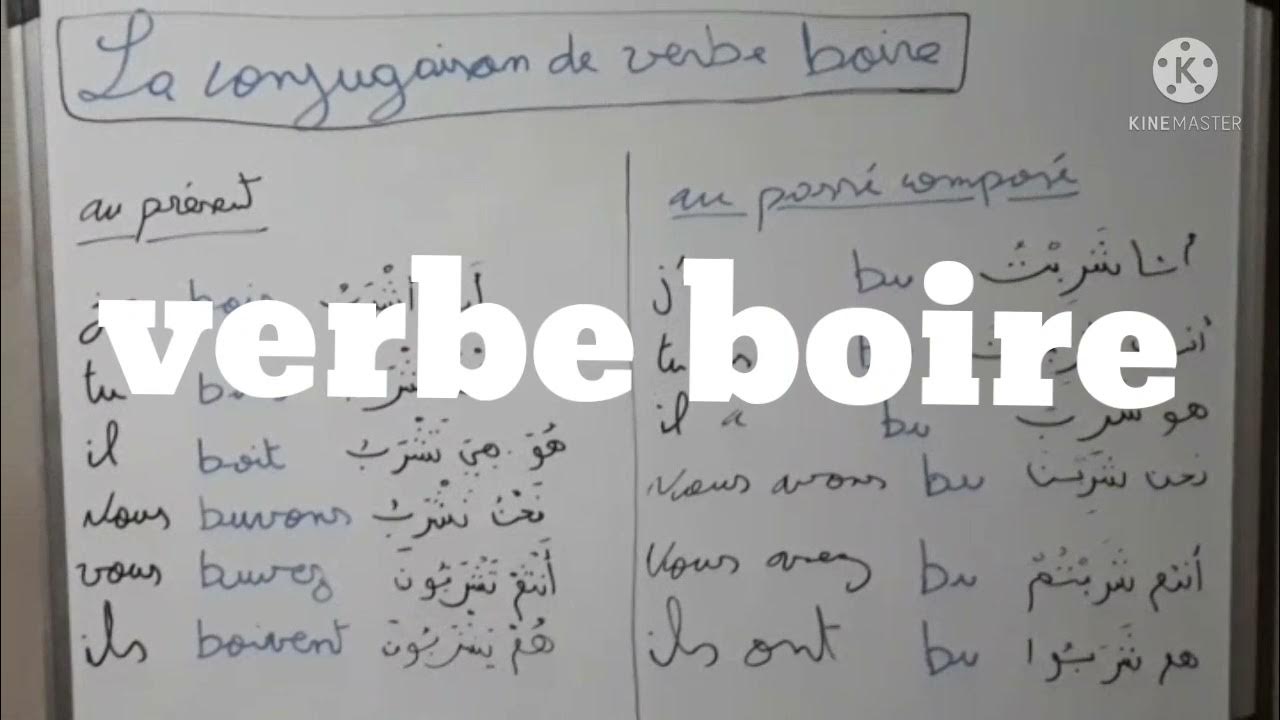
Alright, now let’s zoom in on boire. The past participle of boire is bu. Easy peasy, right? (Spoiler alert: Some are way trickier than this!). And guess what? Boire uses avoir as its helping verb. So, we’re good to go!
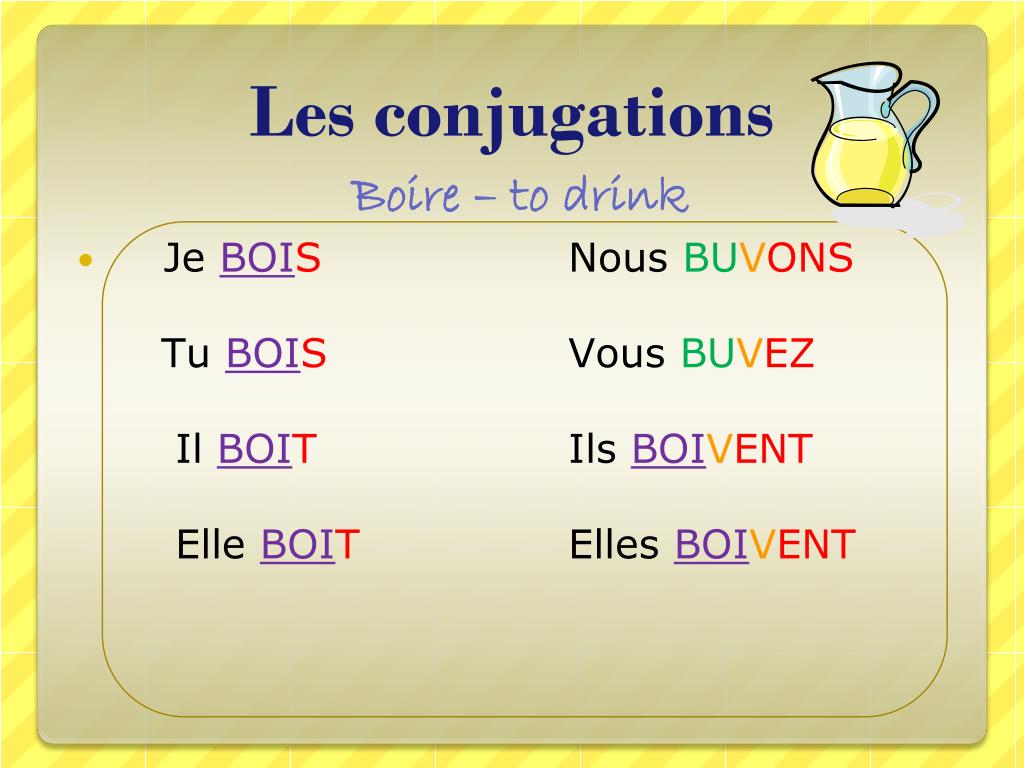
Here's how it looks in action:
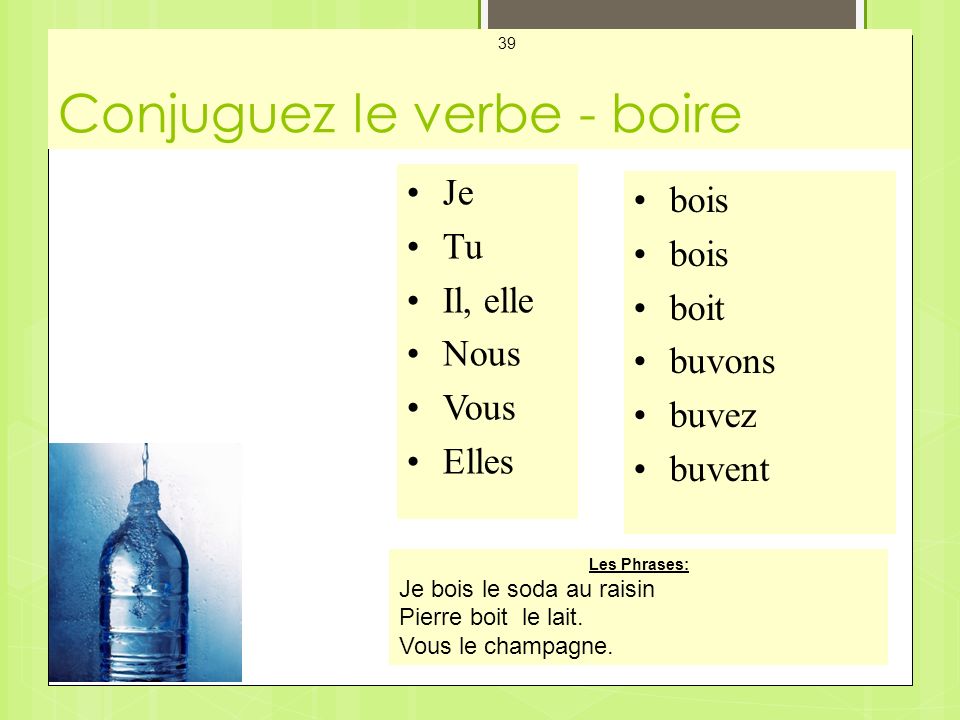
- J'ai bu – I drank
- Tu as bu – You drank
- Il/Elle/On a bu – He/She/One drank
- Nous avons bu – We drank
- Vous avez bu – You drank (formal/plural)
- Ils/Elles ont bu – They drank
See? Not so scary after all. It’s just a matter of memorizing the correct form of avoir and sticking bu on the end.
Why Avoir and Not Être?
Good question! Some verbs use être in the passé composé, but most use avoir. Generally, verbs of motion or reflexive verbs (verbs where the subject acts upon themselves) use être. Boire isn’t either of those. You're not moving to drink and you are not drinking yourself so you use avoir. Think of it as avoir being the default, while être is the special case. Kind of like how most cars are automatic, but some are manual.
Putting Boire in Context
Okay, now let’s make this practical. How would you use “j'ai bu” in a real conversation?
Here are a few examples:
- "J'ai bu un café ce matin." – I drank a coffee this morning.
- "Tu as bu toute la bouteille d'eau ?" – Did you drink the whole bottle of water?
- "Elle a bu du vin rouge au restaurant." – She drank red wine at the restaurant.
- "Nous avons bu du champagne pour célébrer." – We drank champagne to celebrate.
- "Vous avez bu quelque chose de rafraîchissant ?" – Did you drink something refreshing?
- "Ils ont bu de la bière après le match." – They drank beer after the game.
See how versatile it is? You can use it to talk about anything you’ve drunk, from a simple glass of water to a celebratory bottle of bubbly. Voilà !
Common Mistakes to Avoid
Even though boire is relatively straightforward, there are a few common mistakes to watch out for:

- Forgetting the helping verb: Don’t just say "bu." You need the avoir (or être for other verbs). It's like trying to make a sandwich with just the filling. You need the bread (the helping verb) to hold it all together!
- Incorrect agreement with avoir: With avoir, the past participle usually doesn’t agree in gender or number with the subject. But there are specific cases when the direct object is placed before the verb, agreement happens. Don't worry too much about it for now with boire, as it rarely comes up in basic sentences.
Beyond the Basics: Taking it Up a Notch
Want to sound even more fluent? Try adding adverbs or other expressions to your sentences:
- "J'ai beaucoup bu d'eau aujourd'hui." – I drank a lot of water today.
- "Elle a trop bu de vin hier soir." – She drank too much wine last night.
- "Nous avons bu du café ensemble." – We drank coffee together.
These little additions can make your sentences sound more natural and expressive.
Boire vs. Other Verbs: A Quick Comparison
Let's compare boire to other verbs to solidify your understanding:

- Manger (to eat): J'ai mangé (I ate). Similar structure, also uses avoir.
- Finir (to finish): J'ai fini (I finished). Another avoir verb with a regular past participle.
- Aller (to go): Je suis allé(e) (I went). This one uses être, and the past participle agrees in gender with the subject (add an "e" for feminine).
Seeing these side-by-side helps illustrate the differences and similarities.
Why Bother Learning All This?
Okay, let’s be honest. Grammar can sometimes feel like a chore. But mastering the passé composé, even with a simple verb like boire, unlocks a whole new level of communication. You can talk about past experiences, tell stories, and express yourself much more fully. And that, my friend, is pretty darn cool. Imagine being able to tell someone in French about that amazing glass of wine you had on vacation or that terrible coffee you had this morning!
Final Thoughts
So, there you have it – a relaxed look at the passé composé of boire. Don’t be afraid to practice, experiment, and make mistakes. That’s how you learn! And next time you’re ordering a drink in French, remember what you’ve learned. À votre santé ! (To your health!). Now, go grab a drink (water is fine!) and celebrate your newfound knowledge.
Bonne chance (Good luck) and happy learning!
.+boire+Je.jpg)